Physical Address
304 North Cardinal St.
Dorchester Center, MA 02124
Physical Address
304 North Cardinal St.
Dorchester Center, MA 02124

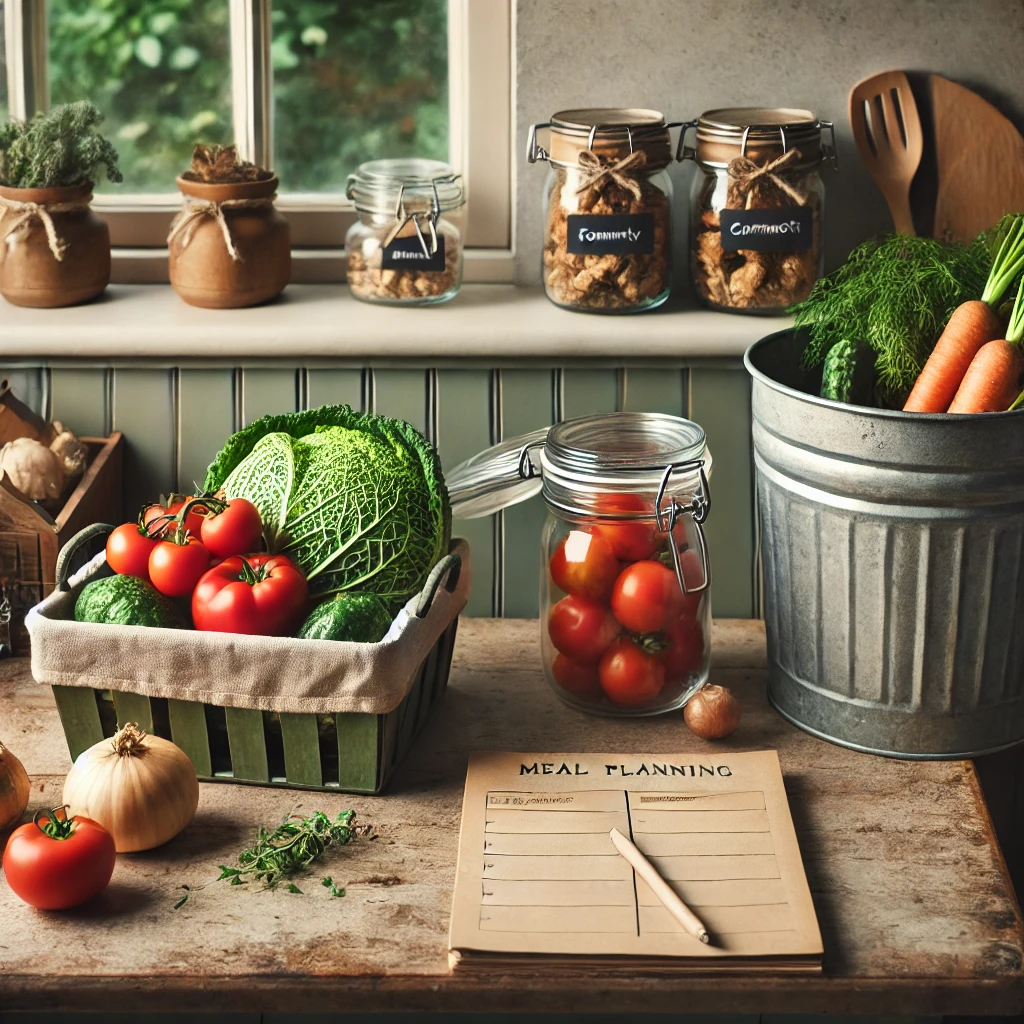
Ever wonder how much food you toss out each week? From leftovers we didn’t get to eat to produce that went bad before we used it, food waste is a widespread issue impacting both the environment and our wallets. Food that ends up in the trash produces methane in landfills, a greenhouse gas more potent than carbon dioxide, contributing significantly to climate change. But with a few simple adjustments, each of us can make a real difference. Here are five practical, globally-relevant tips to help reduce food waste, save money, and make your kitchen more eco-friendly.
Food waste isn’t just about tossing uneaten food—it’s a global issue with environmental, economic, and social implications. According to the World Wildlife Fund, approximately one-third of all food produced is wasted, equating to nearly 1.3 billion tons annually. Reducing food waste can help curb greenhouse gas emissions, save you money, and ensure that more food is available for those who need it most.
Whether you’re in a bustling city or a quiet countryside, everyone can contribute to cutting down food waste. Let’s dive into these five tips that are easy to incorporate into your daily routine.
Meal planning is one of the most effective ways to reduce food waste, as it allows you to buy only what you need and use up ingredients before they go bad. By setting aside a few minutes each week to plan meals, you can avoid impulse buys and ensure you’re getting the most out of your groceries.
Example:
Sarah, a mother of three in New York, started planning her meals each week. She found she was throwing away less produce and saving nearly $100 a month by avoiding unnecessary purchases. Plus, having a set plan made dinnertime less stressful!
Try incorporating a shopping list based on your weekly meal plan and stick to it. You’ll be amazed at how much less you waste and how much more organized you feel in the kitchen.
Proper storage can prolong the shelf life of your food and prevent unnecessary spoilage. Different foods require different storage methods to stay fresh.
For instance:
For more detailed storage tips, check out the Love Food Hate Waste guide. You’ll find that a few simple changes to your storage habits can make a significant difference.
Learning to love leftovers is a simple way to cut down on waste. Leftovers can be turned into new meals or even enjoyed as they are with minimal fuss.
Creative Tip:
Turn leftover vegetables into a hearty soup or use day-old rice to make a delicious stir-fry. In many Asian cultures, for example, leftovers like rice are commonly transformed into fried rice the next day, adding flavor and avoiding waste.
You can even get creative with smoothie ingredients—toss in any fruits about to go bad and enjoy a nutritious drink. Making use of leftovers not only reduces waste but also makes cooking less labor-intensive.
If you have food scraps that can’t be used, composting is an eco-friendly option. Composting transforms food waste into nutrient-rich soil, ideal for gardens and potted plants.
Composting may not be possible for everyone, but there are many options available, from backyard compost bins to countertop composters that work in small spaces. In some cities, there are even community compost programs where you can drop off your scraps. Check your local area for composting services, or if you’re up for it, create a small compost pile at home.
For beginners, this EPA guide on composting can help you get started and show you how easy it can be to turn waste into a sustainable resource.
In many places, fruits and vegetables that don’t look “perfect” are often discarded, even though they’re perfectly edible. By choosing “ugly” produce, you’re not only reducing food waste but also supporting farmers and encouraging a less wasteful food system.
Many stores and markets now sell “imperfect” or “ugly” produce at a discount, so you can save money and reduce waste simultaneously. Ugly Produce is Beautiful provides more insights on why choosing less-than-perfect produce is beneficial for the environment and economy—check it out here.
Example:
Carlos in Madrid began buying “ugly” carrots and tomatoes and noticed no difference in taste or quality. Now, he saves money on his grocery bill and feels good about supporting a sustainable cause.
Cutting down on food waste is one of the simplest ways we can all contribute to a healthier planet. By planning meals, storing food properly, making use of leftovers, composting scraps, and buying “ugly” produce, we can each play a part in reducing waste and building a more sustainable future.
Question for You:
Which of these tips will you try first? At EcoTipsEveryday, we believe that every small change adds up, and we’re here to support you on your journey toward a more sustainable life.
With these strategies in place, you’re not just making eco-friendly choices but also creating habits that benefit your wallet and well-being. Together, we can make a difference—one meal at a time!